
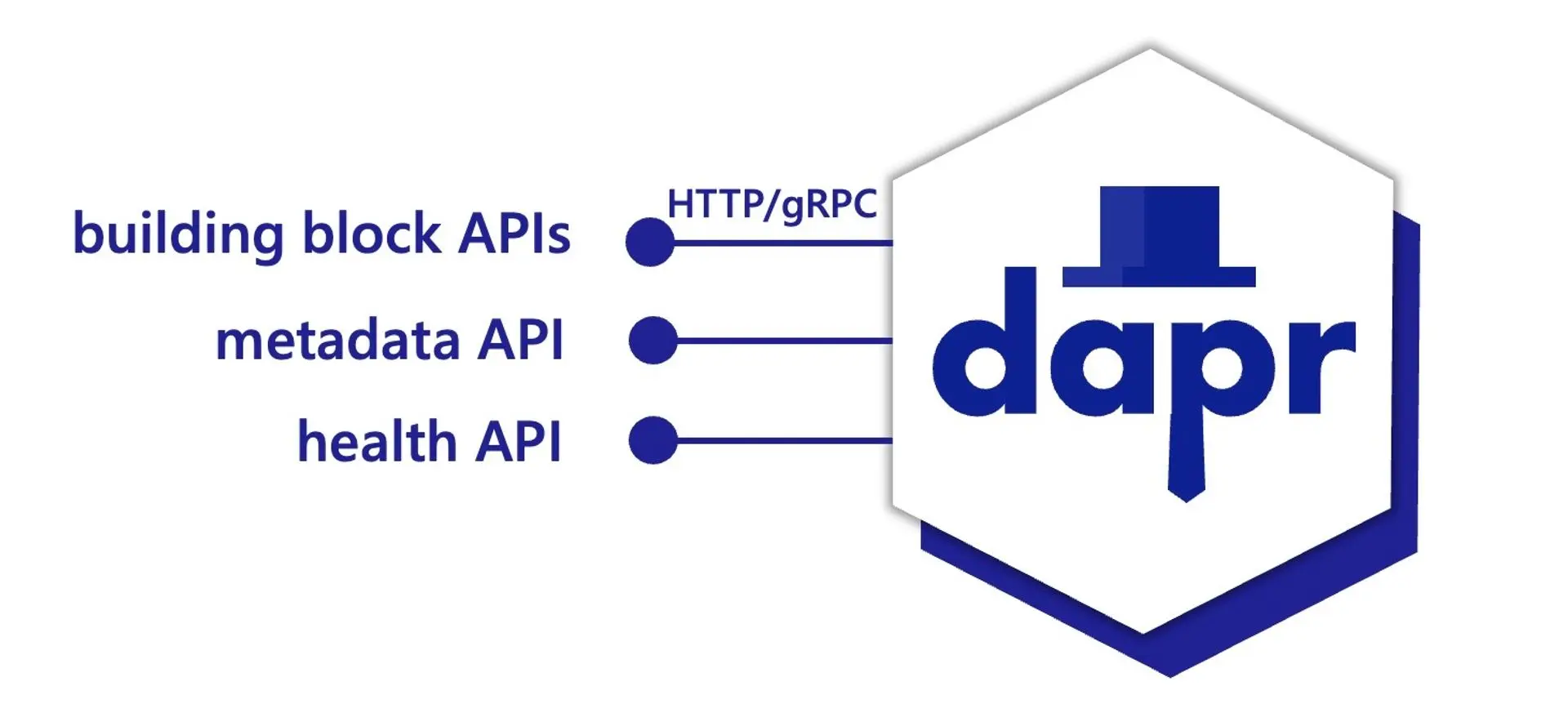
Dapr, which stands for Distributed Application Runtime, is an open-source project designed to simplify the development of distributed applications by providing a set of building blocks that abstract common microservices tasks. It enables developers to focus on writing code without the complexities of distributed systems. Here's a breakdown of what Dapr is and how it works based on the provided sources:
What is Dapr?
Dapr is a portable, event-driven runtime that facilitates the development of resilient stateless and stateful applications that can run on various environments. It supports multiple programming languages and developer frameworks, offering a quick starting point for experimentation and usage. Dapr codifies best practices into building blocks that are independent, open, and expose APIs for easy integration, allowing developers to incrementally build their applications with record time efficiency.
Dapr's Functionality and Architecture
Dapr, the Distributed Application Runtime, simplifies the development of distributed applications by providing a set of building blocks that abstract common microservices tasks. It operates through a sidecar architecture, running alongside the main application as a separate container or process. Here's a concise summary of how Dapr works based on the provided sources:
-
Building Blocks: Dapr offers a rich set of building blocks that simplify microservice connectivity, including service discovery, message broker integration, and service invocation. These building blocks abstract away the complexities of distributed systems, allowing developers to focus on writing code without worrying about the underlying infrastructure
-
Sidecar Architecture: Dapr's sidecar architecture integrates with applications, enabling them to leverage Dapr's functionalities through APIs. Each microservice within the Dapr mechanism has its own sidecar, which controls operations involving the microservice. This approach allows for the addition of new capabilities without integrating them into the microservice code, making Dapr technology agnostic and easily adaptable to different technologies
-
Service Invocation: Dapr facilitates reliable and secure service-to-service invocation with built-in service discovery. By using Dapr's building block APIs, developers can communicate over HTTP or gRPC, simplifying the implementation of microservices best practices like actors and state management
-
Observability and Resilience: Dapr provides robust observability features, including logging, profiling, tracing, and Prometheus metrics. It also offers fault tolerance resiliency policies for timeouts, retries, and circuit breakers, ensuring applications can handle failures gracefully. Dapr's end-to-end security features, such as mTLS encryption and access policies, enhance application security and reliability
In essence, Dapr's architecture, building blocks, and sidecar pattern streamline the development of distributed applications by abstracting away common challenges and providing a developer-friendly environment. By leveraging Dapr's capabilities, developers can focus on writing business logic while Dapr handles the complexities of distributed systems efficiently and securely.
Dapr can handle service orchestration for services running on different cloud providers by providing a platform-agnostic solution that abstracts away the complexities of distributed systems. Here's a summary based on the provided sources:
- Platform Agnostic: Dapr is designed to be platform agnostic, allowing developers to run their applications locally, on any Kubernetes cluster, on virtual or physical machines, or in other hosting environments that Dapr integrates with. This flexibility enables developers to build microservice applications that can run seamlessly on various cloud providers and edge environments, regardless of the underlying infrastructure.
- Service Discovery and Invocation: Dapr's sidecar architecture, coupled with its Service Invocation API, enables reliable service-to-service communication across different cloud providers. Dapr abstracts service discovery and routing complexities, ensuring that services can communicate effectively even when running on diverse cloud platforms. By leveraging Dapr's building blocks, developers can easily orchestrate tasks across multiple services running on different cloud providers.
- Self-Registration and Third-Party Integration: Dapr supports the Self Registration pattern, where services can register themselves with the service registry upon startup, ensuring up-to-date information for service discovery. Additionally, Dapr aligns well with third-party services or endpoints, making it easy to integrate services from different teams or entities into the system. Dapr's sidecar container model allows for seamless integration without interfering with the service's operations, making it ideal for orchestrating services across different cloud providers
Dapr's platform-agnostic nature, coupled with its service discovery, invocation capabilities, and support for self-registration and third-party integration, makes it a suitable solution for handling service orchestration for services running on different cloud providers. Developers can leverage Dapr's features to build resilient, scalable, and interoperable microservice applications that can seamlessly operate across diverse cloud environments.